When a crime or traumatic event happens, life splits into before and after. In those first hours and days, families are focused on shock, questions, phone calls, and simply getting through the moment.
Eventually, authorities finish their work, and the scene is released. That is when many people face a reality they were never prepared for.
The space where something terrible occurred is still there. And too often, families feel an unspoken pressure to handle what remains on their own.
Some cleanups should never fall on loved ones. Crime scene cleanup is one of them.
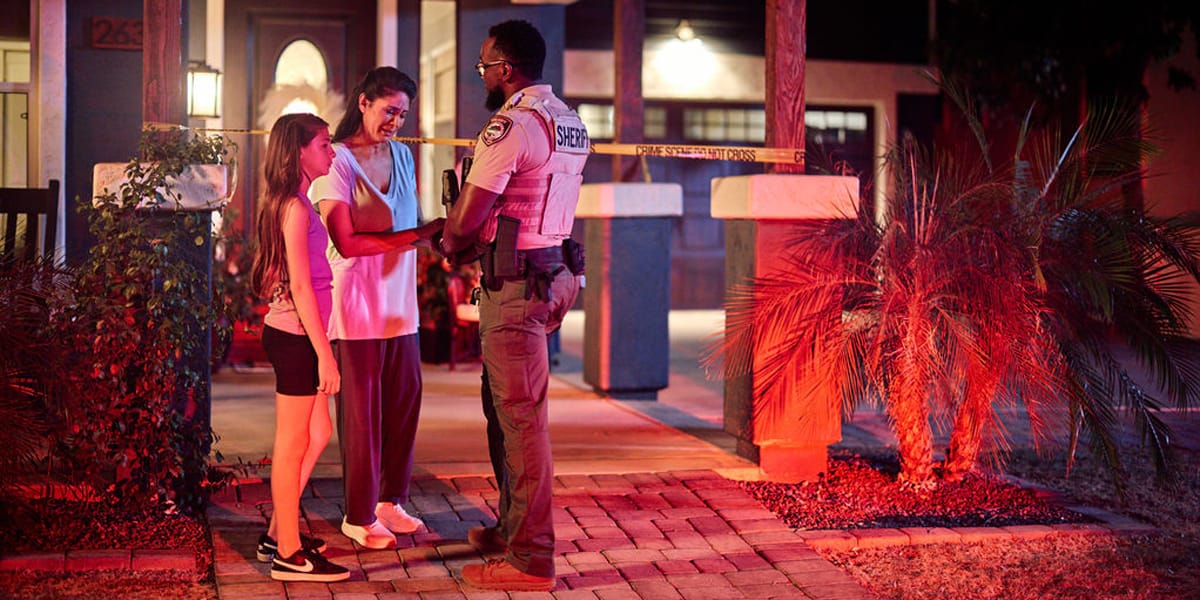
After a traumatic event, taking action can feel like a way to regain control. Cleaning may seem like just another task that needs to be done, something practical in the middle of chaos.
Families may also:
These instincts come from care and responsibility. But crime scenes are not normal messes, and treating them as such can cause harm in ways people do not expect.
Crime scenes often involve biological contamination that cannot be safely handled with household products. Blood and bodily fluids can carry pathogens that pose real health risks.
These materials do not stay on the surface. They soak into flooring, subfloors, walls, furniture, and even ventilation systems.
Professional crime scene cleanup involves:
This is not deep cleaning. It is specialized biohazard remediation designed to protect current and future occupants.
Beyond physical safety, there is another risk that is just as serious: emotional harm.
Cleaning the site of a violent or traumatic event exposes loved ones to sights, smells, and reminders that can deepen grief and trigger lasting trauma. Even brief exposure can imprint memories that resurface long after the cleanup is finished.
Professional cleanup creates a necessary boundary. It allows families to step away from the physical details of what happened and focus on healing, arrangements, and supporting one another. No one should have to relive a tragedy through cleanup.
When crime scenes are cleaned without proper training and equipment, contamination is often spread rather than removed.
Common risks include:
A space may look clean, but unseen hazards can remain. These risks often surface later, when the opportunity to address them safely has already passed.
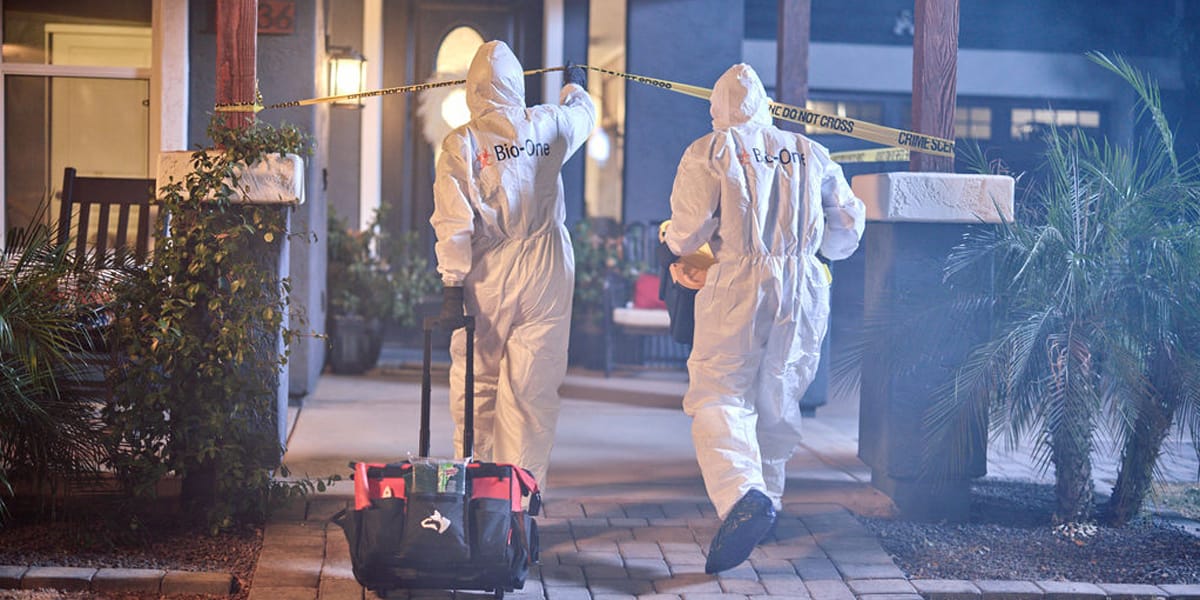
Professional cleanup is especially important when an incident involves:
Choosing professional help is not about avoiding responsibility. It is about protecting people during an already difficult time.
Bio-One of Chandler exists for moments when people need support, not more burden. Their crime scene cleanup services are built around compassion, discretion, and thorough care.
When Bio-One steps in, families can expect:
The goal is not just to clean a space, but to remove one more weight from the shoulders of those affected.
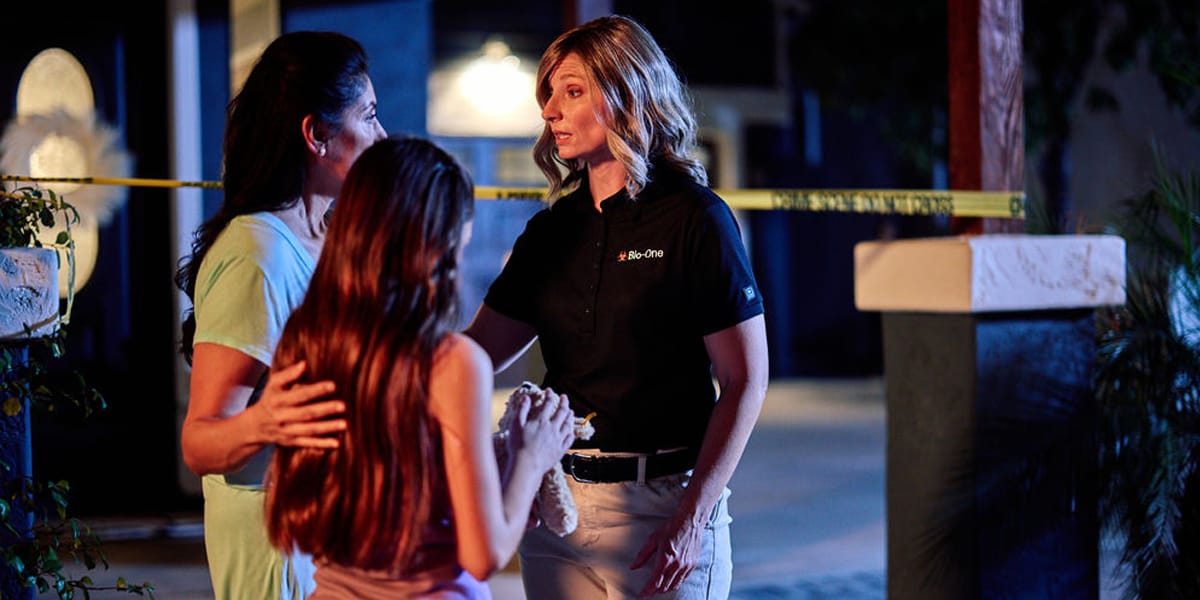
Grief is hard enough without adding hazardous cleanup to the list of responsibilities. Crime scene cleanup is not something families should feel obligated to handle on their own.
If you or someone you care about is dealing with the aftermath of a traumatic event, it is okay to ask for help. Bio-One is here to step in quietly, handle what needs to be done, and give families the space they need to begin healing.
Crime scene cleanup is the professional removal of blood, bodily fluids, and other biological hazards left behind after a traumatic event. It also includes disinfecting and restoring affected areas so the space is safe to occupy again.
Crime scenes can contain dangerous pathogens and invisible contaminants. DIY cleanup can expose loved ones to health risks and cause emotional harm by forcing them to confront traumatic details of the event.
In many situations, proper cleanup is required to meet health, safety, and waste-disposal regulations. Property owners are responsible for ensuring biohazards are removed correctly, especially in rental or shared spaces.
Crime scenes may contain bloodborne pathogens, bacteria, and other biological materials that can penetrate porous surfaces like carpet, wood, drywall, and furniture if not properly addressed.
No. Standard cleaning services are not trained, equipped, or permitted to handle biohazardous materials. Crime scene cleanup requires specialized training, protective equipment, and regulated disposal methods.
The time required depends on the extent of the contamination and the size of the affected area. Some cleanups take a few hours, while others may require multiple days to fully remediate the space.
Professional cleanup removes biological hazards and contaminated materials, returning the space to a safe, pre-incident condition. While cleanup helps restore the environment, emotional healing takes time and support beyond the physical space.
In many cases, homeowner’s insurance, renter’s insurance, or commercial policies may provide coverage. Coverage varies by policy, so it is important to review details or speak with an insurance representative.
Cleanup should be scheduled as soon as the scene is released by authorities. Prompt response helps reduce health risks, prevent further damage, and limit long-term contamination.
Bio-One focuses on compassion as much as compliance. Their approach prioritizes discretion, respect for those affected, and thorough remediation, so families and property owners do not have to face this responsibility alone.
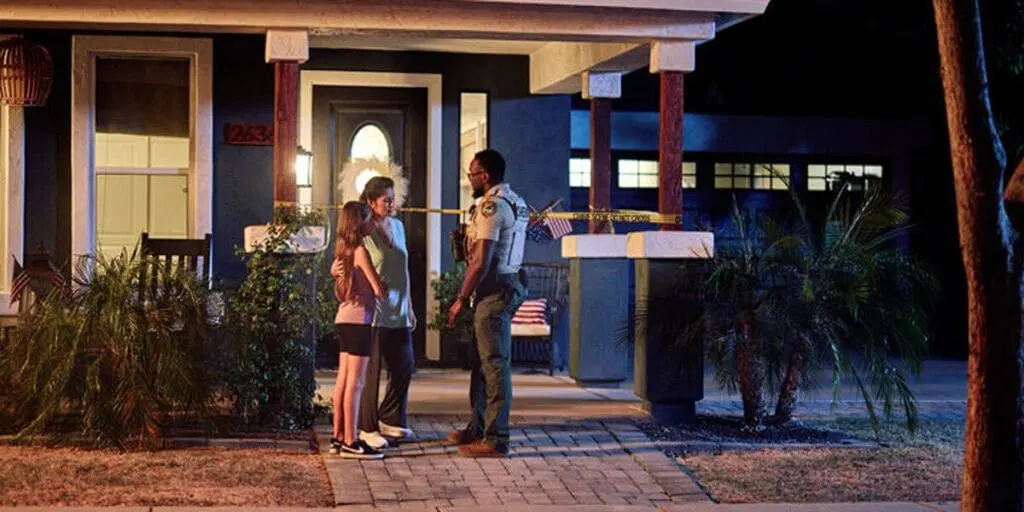
When tragedy strikes, families are left carrying a weight that goes far beyond the incident itself. A crime scene isn’t just about what happened—it’s about what’s left behind. For families, returning to that space can be overwhelming. It’s a reminder of loss, fear, and pain at the very moment when what they need most is comfort and support.
Yet in the middle of grief, families quickly learn something few expect: the responsibility for cleanup doesn’t fall to the police, the city, or investigators. It falls to them.
That realization can be crushing. The good news is, no one has to face this burden alone. Professional crime scene cleanup isn’t just about restoring a property—it’s about helping families take the first step toward healing.
____________________________
When the unthinkable happens, the last thing families should have to worry about is how to clean up the aftermath.
____________________________
Every family’s experience is unique, but the emotional impact of encountering a crime scene often follows the same painful threads:
For many families, the hardest part is the sense of being alone in this process. They didn’t choose to be in this situation, and yet the responsibility for restoring their home now rests on their shoulders.
____________________________
Did You Know?
Research has shown that when people are repeatedly exposed to trauma reminders in their living environment, symptoms of grief and post-traumatic stress disorder (PTSD) can last longer and become more severe.
____________________________
Who Handles Crime Scene Cleanup?
After investigators finish their work, who is responsible for cleaning a crime scene?
Answer: C Most families are surprised—and overwhelmed—to learn that the responsibility for cleanup falls on them.
____________________________
It might be tempting to think of crime scene cleanup as just another form of “deep cleaning.” But the truth is, it’s far more than that.
A crime scene carries both emotional weight and physical danger. Stains or remnants aren’t just unpleasant—they are vivid reminders of trauma. Even after hours of scrubbing, families may feel their space has been permanently changed.
Without proper remediation, emotional healing can stall. Families deserve to reclaim their homes without being constantly reminded of what happened there.
Imagine walking into your living room after a traumatic event. The carpets look clean, but you notice faint stains or an odor that lingers. Do you feel comforted—or do you feel the weight of what happened, all over again?
This is why professional restoration matters. It’s not just about appearance—it’s about peace of mind.
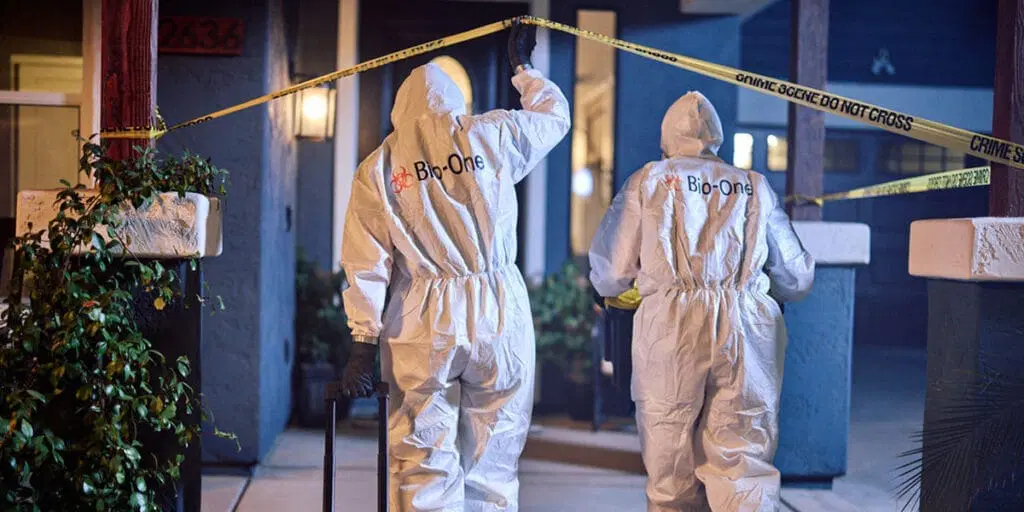
While the emotional toll of a crime scene is often the most visible, there are also unseen dangers that linger long after the incident. These risks don’t always appear on the surface, which can create a false sense of security if cleanup is attempted without professional assistance.
Blood and bodily fluids may appear as stains, but they can pose serious health risks. Viruses such as HIV, Hepatitis B, and MRSA are known to survive outside the body for hours, days, or even longer, depending on the conditions.
Exposure isn’t limited to direct contact—microscopic droplets or residue on surfaces can also spread disease if touched or aerosolized during cleaning. Without the proper protective equipment and disinfectants, anyone attempting to clean the scene risks infection.
What families often don’t realize is how quickly fluids can seep into porous materials like wood, carpet, drywall, or subflooring. Even when a surface looks clean, contaminants may have traveled deeper, where bacteria thrive unseen. Over time, this can lead to:
In some cases, entire sections of flooring, furniture, or drywall must be removed and replaced to ensure the home is truly safe.
Odors are more than an inconvenience—they are a sign that microscopic contaminants are still present. The smell of blood, decomposition, or other biohazards can cling to fabrics, penetrate HVAC systems, and reappear long after the space seems “clean.”
These odors not only retraumatize families but also signal ongoing health risks if the underlying contamination has not been entirely removed.
Standard household cleaners and DIY efforts are insufficient to eliminate these dangers. Specialized tools—such as ozone machines, ATP testing (to verify sanitation), and EPA-registered disinfectants—are required to restore the environment safely.
Professional remediation doesn’t just clean what’s visible; it addresses the hidden layers of contamination to ensure the home is safe, stable, and livable once again.
____________________________
Did You Know?
Biohazard materials can penetrate surfaces like wood and drywall within minutes. Even if a surface appears clean, harmful bacteria may remain hidden, posing ongoing health risks and potentially causing costly property damage if left untreated.
____________________________
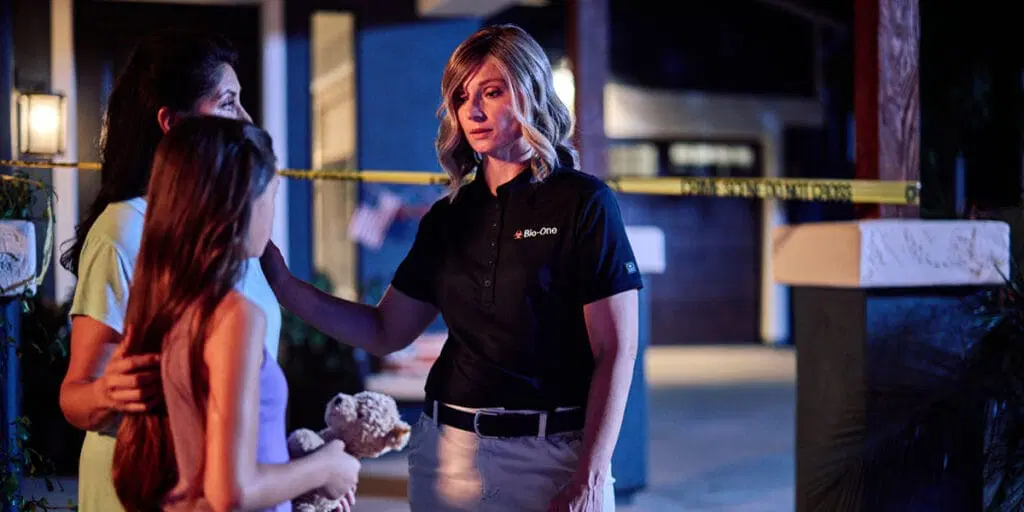
When tragedy strikes, cleanup is never just about sanitizing a space—it’s about helping families start the recovery process. Professional crime scene cleanup goes beyond surface-level cleaning to restore health, safety, and dignity.
Professionals don’t just wipe down visible surfaces. They utilize advanced remediation techniques, including ATP testing to confirm sanitation, medical-grade disinfectants, and specialized equipment that penetrates deep into porous materials where contaminants may hide.
Odor neutralization systems, air filtration, and biohazard disposal protocols ensure the space is genuinely safe and habitable again.
This level of restoration allows families to step back into their homes without fear or hesitation. Instead of seeing reminders of what happened, they see a clean, stable environment where healing can begin.
A crime scene isn’t just physically hazardous—it’s also deeply personal. The presence of marked vans, large crews, or public attention can add unnecessary shame or stress to an already painful time.
That’s why professional cleanup companies prioritize discretion. From arriving in unmarked vehicles to working quietly behind closed doors, their goal is to protect the family’s privacy and dignity at every step.
Neighbors don’t need to know, and families don’t need to feel exposed.
This respectful approach creates space for loved ones to grieve without added pressure or embarrassment.
Technical training matters, but so does the human element. The best cleanup professionals understand they are stepping into a family’s darkest hour. Every word, every action, is guided by empathy as much as expertise.
That compassion shows up in small but meaningful ways:
For many families, this combination of professional skill and personal compassion makes all the difference. Cleanup isn’t just about removing hazards—it’s about helping people take the very first step toward healing.
____________________________
When Families Should Call a Professional
If any of these apply, professional help is the safest path forward.
____________________________
While emotional support and compassion are at the heart of professional cleanup, the practical relief it brings to families can’t be overstated.
In moments of crisis, even simple logistics can feel overwhelming. By stepping in, professionals assume the responsibility that families should never have to bear alone.
At the top of the list is protection from hidden hazards. Professional cleanup ensures that all bloodborne pathogens, bodily fluids, and contaminated materials are entirely removed—not just from visible surfaces, but from flooring, walls, and air systems.
This prevents the spread of illness, mold, and bacteria that can threaten residents long after the initial incident. Families gain peace of mind knowing their home is not only clean, but safe to live in again.
Navigating insurance paperwork is the last thing grieving families want to deal with, yet it’s often a necessary step in covering cleanup costs. Professional companies like Bio-One routinely help with this process. They provide detailed documentation, photos, and reports required for claims and even communicate directly with adjusters when needed.
This kind of support can reduce financial stress and eliminate the confusion of trying to figure out coverage alone—saving families both time and worry.
Perhaps the most valuable gift of all is freedom from the burden of having to do it themselves. Without professional help, families might feel pressure to handle cleanup personally or to assign the task to friends, property staff, or maintenance crews.
Not only is that unsafe, but it also adds another layer of emotional strain to an already devastating situation.
Professional cleanup teams lift that weight off families’ shoulders. They manage the logistics, disposal, labor, and details—so families can focus entirely on what truly matters: grieving, remembering, and beginning to heal.
____________________________
Did You Know?
Many homeowners’ insurance policies cover crime scene cleanup. Families often don’t realize this, and it can significantly reduce the financial burden.
____________________________
For families, cleanup is often the first real step toward moving forward. It takes the space of trauma and restores it into a place where life can begin again.
It doesn’t erase what happened, but it creates the foundation for healing—without the constant physical reminders that might otherwise prolong the pain.
At Bio-One, our mission has always been Help First, Business Second. That means putting people and healing at the center of every service we provide.
____________________________
Pause & Reflect:
If someone you loved went through a tragedy, how would it feel to know that professionals could quietly remove the burden of cleanup—so you could focus on what matters most?
____________________________
A crime scene leaves more than physical damage—it leaves emotional wounds that take time to heal. Professional cleanup is not just about restoring a property; it’s about easing the weight families carry and creating space for recovery.
If you or someone you know is faced with the unimaginable, remember: you don’t have to handle it alone. Bio-One of Chandler is here to provide compassionate, professional help when it matters most.
October is recognized nationwide as National Crime Prevention Month, a time when communities, law enforcement, and organizations come together to raise awareness and share strategies for reducing crime.
While no one can prepare for every situation, taking small, consistent steps can make homes and neighborhoods safer.
Here are a few ways families and communities can take part:
Personal Awareness
By combining awareness, preparedness, and community support, we can all play a part in preventing crime and creating safer places to live, work, and heal.
Cleanup is not handled by law enforcement or the city. It falls to the property owner or family, which is why professional help is often essential.
Crime scenes can contain hidden dangers like bloodborne pathogens, structural damage, and lingering odors. Without proper equipment and training, cleanup can compromise health, safety, and emotional well-being.
Blood and bodily fluids can carry viruses such as HIV, Hepatitis B, and MRSA. Even when stains aren’t visible, harmful bacteria may remain in flooring, walls, or fabrics.
Restoring the home to a safe, clean condition removes painful reminders of trauma. It creates a supportive environment where families can grieve, remember, and eventually move forward.
Professional cleanup companies, like Bio-One, often arrive in unmarked vehicles and work quietly to protect your privacy and dignity.
In many cases, yes. Homeowners’ insurance often covers the cost of professional biohazard cleanup. Cleanup companies can help with documentation and communication with adjusters.
Ordinary household cleaners can’t fully remove biohazards. Professionals utilize advanced tools, including ATP testing, medical-grade disinfectants, and odor neutralization systems, to ensure the environment is completely safe.
Depending on the virus and conditions, pathogens can survive for hours, days, or longer. That’s why professional remediation is critical, even if a surface looks clean.
Keep people and pets out of the area, avoid touching or attempting to clean, and call a certified crime scene cleanup professional as soon as possible.
National organizations like NOVA (https://trynova.org), OVC (https://ovc.ojp.gov ), and VictimConnect (https://victimconnect.org) offer advocacy, resources, and confidential support services.

Call Bio-One of Chandler anytime, 24/7, (602) 671-3838 for immediate expert crime scene cleanup. Our highly trained teams are equipped to handle all the complexities and hazards of crime scene cleanup.
A crime scene is not just the location of a crime; it plays a crucial role in forensic science and law enforcement. It provides significant physical evidence that helps to explain what happened, offering insights that are essential for solving crimes and delivering justice.
The evidence found at a crime scene can range widely—from fingerprints that trace back to a suspect to bloodstains that tell a story of conflict to weapons that can be tied to the method of crime. Each piece of evidence serves as a silent witness to the events.
Furthermore, simple things like hair strands, fabric fibers, or bits of soil can give forensic experts important clues to connect suspects to crime scenes or to figure out how events unfolded.
Analyzing a crime scene is a careful and systematic process. It starts with securing the area to keep it clean, followed by thorough documentation, including photos, sketches, and notes. This helps keep the scene unchanged and ensures the evidence remains valid for court cases.
In short, a crime scene is more than just a location; it's a valuable source of forensic evidence. If managed correctly, it can be vital in uncovering the truth about a crime.

The biohazards of a crime scene are biological substances that threaten the health of living organisms, primarily humans.
These can include:
Due to these risks, crime scene investigators and other professionals who work in these environments must wear protective gear, such as gloves, masks, and suits, to minimize the risk of exposure to these biohazards. They also follow strict protocols for collecting, handling, and disposing hazardous materials.

Specialized cleanup teams clean crime scenes rather than law enforcement or crime scene investigators. These teams are trained in dealing with biohazardous materials and have the expertise to clean and disinfect areas affected by a crime safely. The process includes several key elements:

Without the proper training, equipment, and cleaning solutions, your cleanup efforts may be inadequate, leaving harmful remnants behind. Considering the infrequent use and high cost of appropriate equipment and chemicals, self-cleaning isn’t cost-effective.
Leave crime scene cleanup to professionals.

Professional crime scene cleanup companies should possess several essential qualifications and attributes to ensure they can safely and effectively handle their work's complex and sensitive nature. These include:
Addressing the aftermath of a crime goes beyond the scope of ordinary cleaning. It requires a specialized, meticulous approach to ensure safety and proper restoration.
Crime scenes are often riddled with biohazards such as bloodborne pathogens, harmful chemicals, and other dangerous substances. This makes professional crime scene cleanup services a convenience and necessity.
These trained professionals have the tools, knowledge, and experience to handle hazardous materials safely and effectively. They adhere to strict health and safety regulations and thoroughly clean and decontaminate the affected areas.
The importance of using specialized equipment and cleaning agents cannot be overstated. They significantly reduce the risk of infection or exposure to harmful substances.
Call Bio-One of Chandler anytime, 24/7, (602) 671-3838 for immediate expert crime scene cleanup. Our highly trained teams are equipped to handle all the complexities and hazards of crime scene cleanup.
For immediate assistance with crime scene cleanup, contact Bio-One of Chandler 24/7 at (602) 671-3838 for discreet, compassionate services. Our local team is proficient and equipped to manage all traumatic situations effectively.
It’s unnerving if your property has become the scene of a crime. It might have been a crime directed at you, or your property was the location of a random crime. Either way, it’s a traumatic event for you and others.
To make matters worse, the crime might have resulted in biohazard contamination. Biohazards are biological materials that pose a threat to human health.
The following types of crimes often result in biohazardous conditions:
In all these scenarios, specialized cleaning and decontamination methods are required to restore the area and safely prevent other health risks.
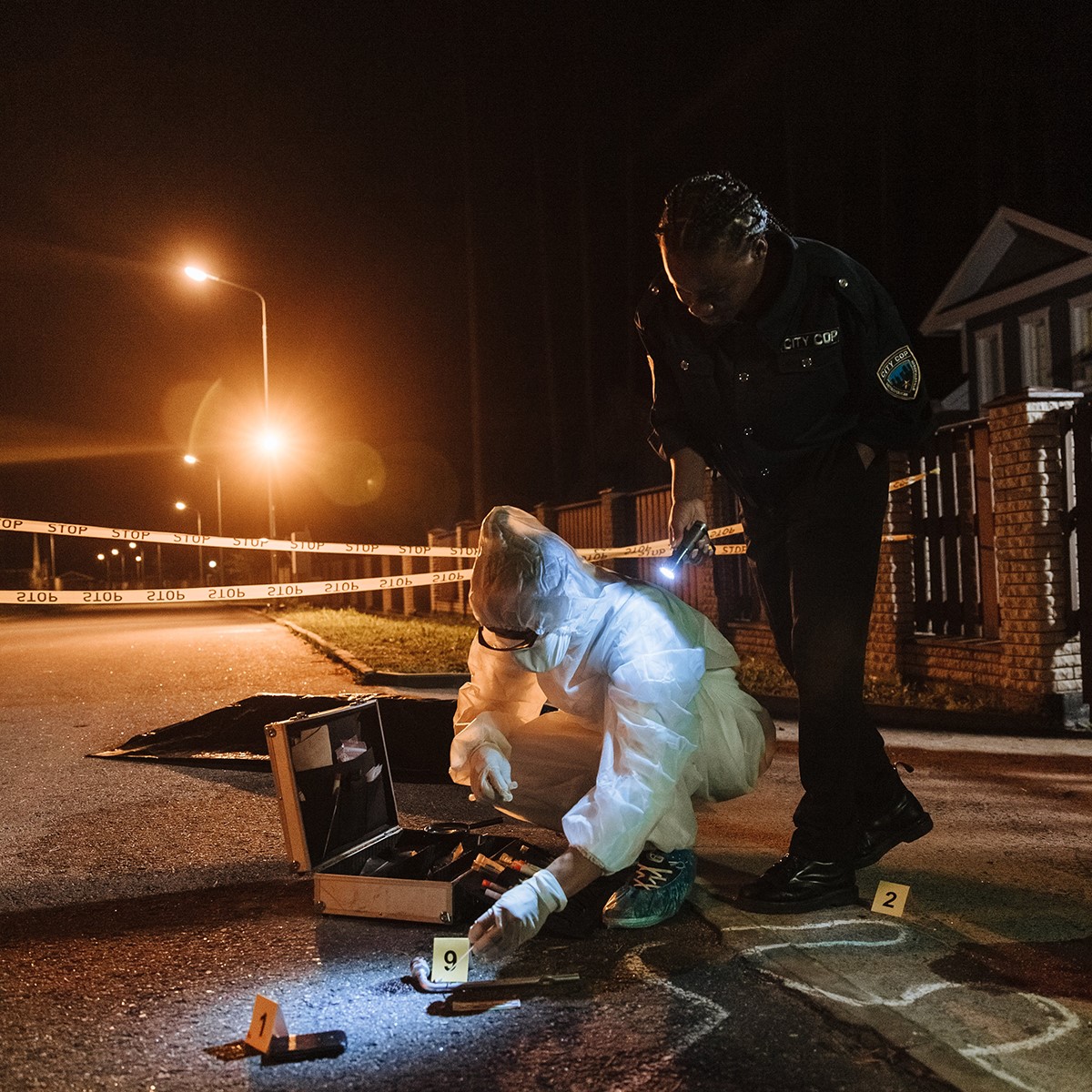
If a crime resulting in a biohazard has occurred on your property, here are the steps you should take:
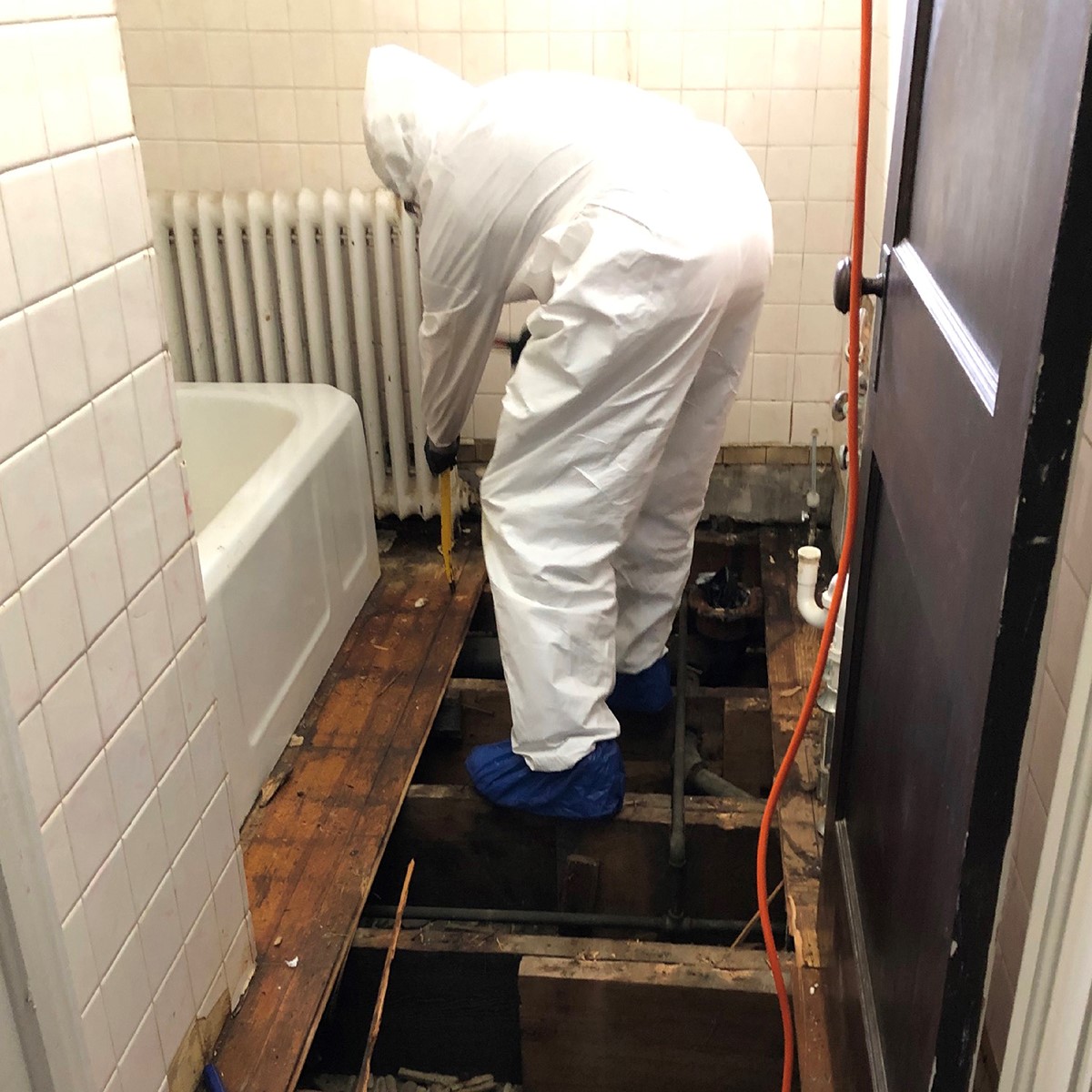
The cleaning of a crime scene is typically handled by specialized crime scene cleanup teams rather than law enforcement or crime scene investigators. These teams are trained in dealing with biohazardous materials and have the expertise to clean and disinfect areas affected by a crime safely. The process includes several key elements:
Crime scene cleanup teams operate with a high degree of professionalism and sensitivity. They understand the emotional and traumatic nature of their work, especially in cases involving violent crimes. They also ensure compliance with all relevant health and safety regulations.
In most cases, the property owner is responsible for arranging and paying for these services. However, some insurance policies may cover the costs associated with crime scene cleanup.
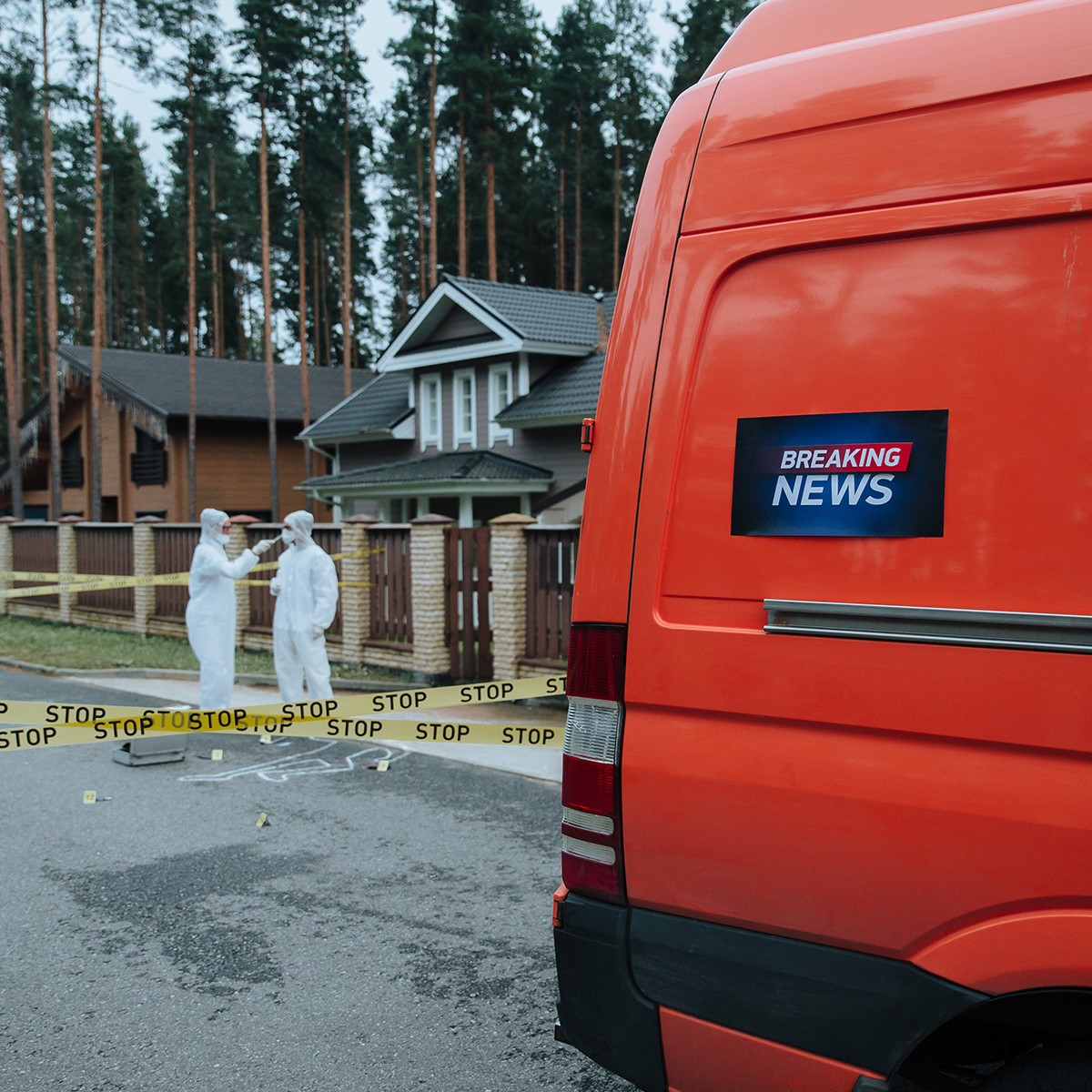
Without the right training, equipment, and cleaning solutions, your cleanup efforts may be inadequate, leaving harmful remnants behind. Considering the infrequent use and high cost of proper equipment and chemicals, self-cleaning isn't cost-effective.
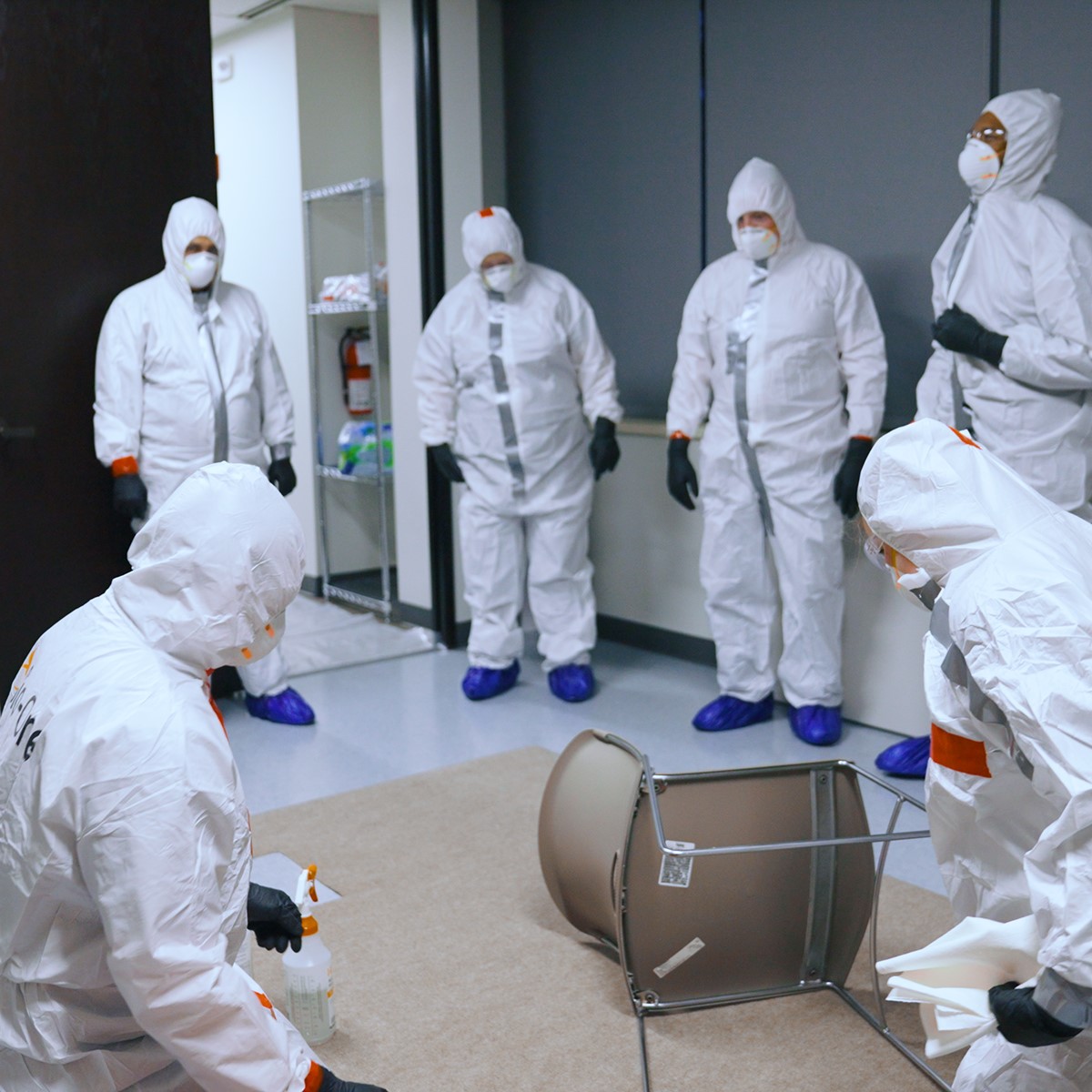
Professional crime scene cleanup companies should possess several essential qualifications and attributes to safely and effectively handle their work's complex and sensitive nature. These include:
Managing a biohazardous crime scene extends beyond just the immediate cleanup. It involves understanding the risks, following the right procedures, and ensuring that the area is returned to a safe and habitable state. This process is about eradicating visible signs of crime and safeguarding the health and well-being of those who may come into contact with the area.
Dealing with a crime scene on your property is a multifaceted challenge. It requires a careful balance of immediate action, adherence to legal procedures, and emotional resilience. Following the steps outlined above, property owners can navigate these difficult waters with a clearer understanding and a sense of preparedness. Remember, the goal is to clean up, heal, and recover from the incident.
For immediate assistance with crime scene cleanup, contact Bio-One of Chandler 24/7 at (602) 671-3838 for discreet, compassionate services. Our local team is proficient and equipped to manage all traumatic situations effectively.
Tips when calling for cleanup.
What is involved in crime scene cleanup?
Crime scene cleanup involves removing and decontaminating biological and hazardous materials from a crime scene. This includes blood, bodily fluids, and tissue cleanup.
How much does crime scene cleanup cost?
The cost of crime scene cleanup varies depending on the extent needed, but it typically ranges from $1,000 to $5,000.
Are your crime scene cleanup services available 24/7?
Yes, we offer 24/7 emergency services to respond to crime scenes promptly.
Does insurance cover crime scene cleanup?
In some cases, homeowner's insurance or crime victim compensation programs may cover the cost of crime scene cleanup. It's advisable to check with your insurance provider.
How long does a typical crime scene cleanup take?
The time required for crime scene cleanup varies based on the severity of the scene. It can range from a few hours to several days.
Are your crime scene cleanup technicians trained and certified?
Our crime scene cleanup technicians undergo specialized training and certification to handle biohazardous materials and follow strict protocols safely.
What types of biohazards are cleaned during crime scene cleanup?
Crime scene cleanup addresses biohazards like blood, bodily fluids, tissue, and other potentially infectious materials.
Can I clean a crime scene myself?
It is strongly discouraged to clean a crime scene yourself due to the risk of biohazard exposure. It's safer to hire professional crime scene cleanup services.
How can I find a reputable crime scene cleanup company?
Look for companies with proper certifications, experience, and positive reviews. You can also ask for referrals from law enforcement or your insurance provider.
What safety measures are taken during crime scene cleanup?
Crime scene cleanup professionals wear personal protective equipment (PPE) and use specialized cleaning agents to ensure safety and thorough decontamination.
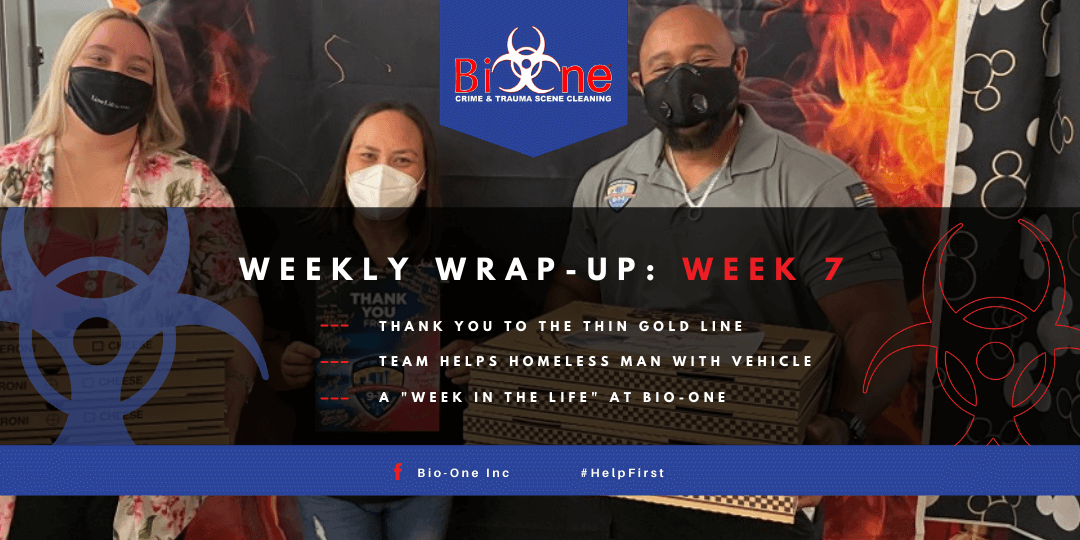
Bio-One teams across the U.S. answer calls to help their communities and remediate a variety of scenes. In our new blog series, we'd like to bring you into the Bio-One world by sharing stories of the unique and important work we do for local communities.
Here is Week 7 of our Bio-One Weekly Wrap-Up.
Thank You to the Thin Gold Line
The second week of April is a time to celebrate and thank telecommunications professionals who dedicate their lives to serving the public. Often called the thin gold line, 911 dispatchers are true heroes behind the scenes.
Coast to coast, Bio-One teams found fun and unique ways to recognize the Thin Gold Line.
Bio-One Helps Homeless Man with Vehicle Clean Up
This week, News San Diego reported "Homeless man's story inspires San Diego mom to enlist community's help", featuring Rene Flohr and Nicki Chipp-Flohr, owners of Bio-One. The Bio-One duo spotted a NextDoor post asking for anyone who could help 79 year-old, Les, who had been living out of his vehicle and was recently diagnosed with skin cancer. His vehicle was floor to ceiling full of items, and Bio-One was ready to help clean and disinfect the vehicle so it could be sold or donated.
In a message to Bio-One owners, Nicki said, "I am very proud of what we are doing to help someone. I thought you’d all appreciate it, since we live the Bio-One motto of #helpfirstbusinesssecond." We couldn't agree more!
Read the entire story on News San Diego.
A "Week in the Life" at Bio-One
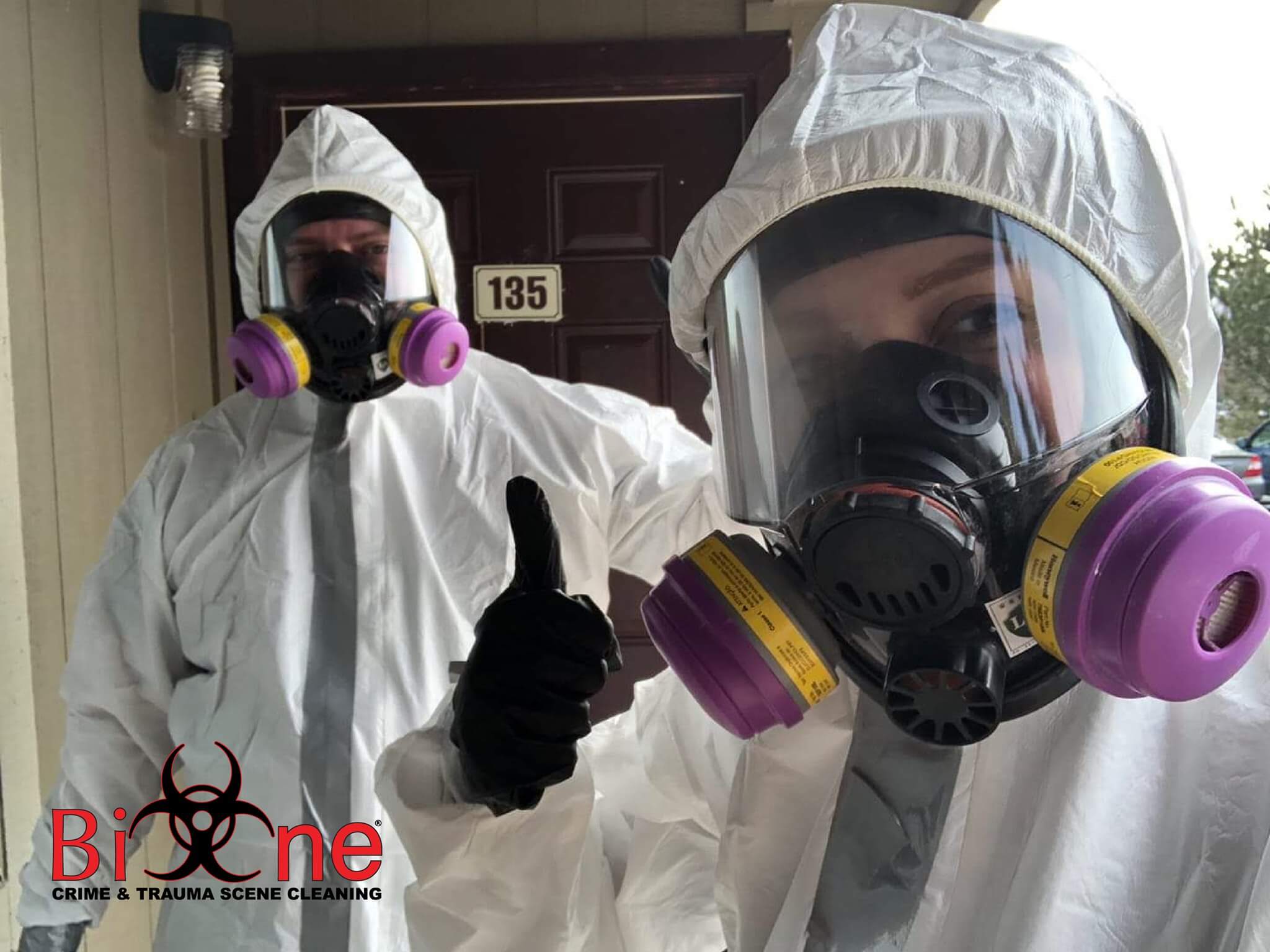
The Bio-One team in Tuscon, AZ had a busy week with work ranging from COVID-19 disinfections, mold remediations, bird dropping clean up, medical waste disposal, suicide remediation, and more.
If you've ever wondered what it takes to be a crime and trauma scene cleaner, we recommend read through the Tuscon team's Weekly Wrap-Up!
Bio-One teams across the U.S. answer calls to help their communities and remediate a variety of scenes. In our new blog series, we'd like to bring you into the Bio-One world by sharing stories of the unique and important work we do for local communities.
Here is Week 6 of our Bio-One Weekly Wrap-Up.
Cherokee County Biohazard Remediation
Lives in the Atlanta area were forever altered on Tuesday, March 16, 2021 after a shooting spree at three metro Atlanta spas left eight people, including six Asian women, dead within the span of 45 minutes.
Our hearts and sympathies are with everyone impacted by this tragedy.
Two weeks after the tragic events in Atlanta took place, Bio-One answered the call to remediate the spa in Cherokee County. Led by Michele O'Brien and Rebecca Phillips, the Bio-One team provided a quick response and thorough decontamination. Read more in our recent blog post.

Tragedy in Rock Hill, South Carolina
As details from the tragedy in Rock Hill, South Carolina unfold, one Bio-One team paid special tribute to the victims, first responders and other local law enforcement officials. Bio-One owners, John and Jen Symons, live in Rock Hill and experienced the police response first-hand. "It's a tight-knit community. We just can't believe it," said Jen Symons.
Their team is currently in communication with local law enforcement, and activity supporting neighbors through this difficult time.
COVID-19 Disinfection at Dojo
This week, we're spotlighting the Atlantic City team where they are regularly disinfecting Ganguly's Mixed Martial Arts. According to Bio-One owner, Victor Russomanno, "We are contracted with a local martial arts studio to disinfect them weekly. In addition to their in-house protocol, we use an electrostatic sprayer to ensure maximum coverage and protection, to ensure those who are training are staying safe through our efforts."
Across the United States, Bio-One teams actively disinfect local businesses, government buildings, and residents in the fight against coronavirus. Learn more about our COVID-19 disinfection process.
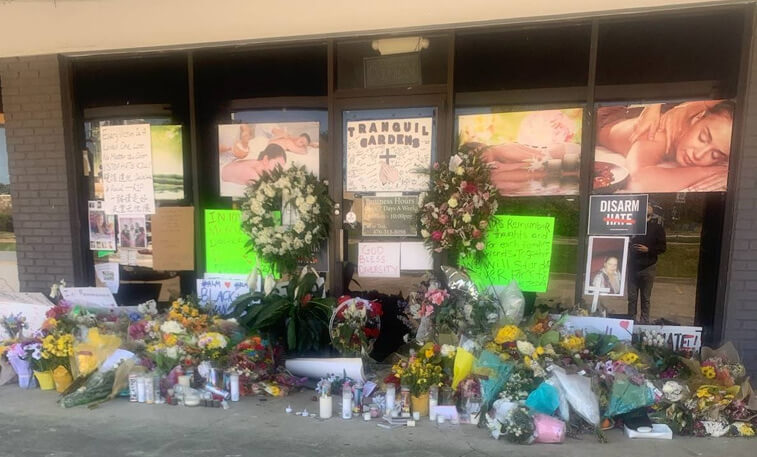
Lives in the Atlanta area were forever altered on Tuesday, March 16, 2021 after a shooting spree at three metro Atlanta spas left eight people, including six Asian women, dead within the span of 45 minutes.
Our hearts and sympathies are with everyone impacted by this tragedy.
We sincerely hope businesses never experience these types of events, because that means it’s the worst day of their lives. However, Bio-One teams are ready 24/7 in the event biohazard remediation services are needed.
Two weeks after the tragic events in Atlanta took place, Bio-One answered the call to remediate the spa in Cherokee County. Led by Michele O'Brien and Rebecca Phillips, the Bio-One team provided a quick response and thorough decontamination.
“When we walked into the spa, it was like time stopped,” said Phillips. “Things were there just like a normal day and then chaos happened. It was a heavy feeling, and we appreciate the opportunity to help.”
Previously, Bio-One has been trusted to remediate several mass shooting tragedies including Las Vegas at Mandalay Bay, Pulse Nightclub, the San Bernardino schools and Sandy Hook.